Every single person on Earth goes through fear, doubt, and the pressure to prove something. But we rarely talk about it. I have observed that what separates people isn’t the struggles themselves, but how people respond to them.
I believe the strongest leaders aren’t afraid to confront their own fears first. When we start from within, when we choose vulnerability over performance, we open space for others to do the same. There is no limit to consciousness, and that means there is no limit to who we can become — if we are honest with ourselves and detach from ego.
True leadership bears a strong sense of responsibility. Leadership without ego is service, which is why Lee Kuan Yew is my favorite leader of all time. When Singapore was exiled from Malaysia and left behind by the British, the country was small, vulnerable, and written off by the world. But Lee Kuan Yew didn’t let that define them. He led with vision and served his people. He forged new connections with the West and the East, and built Singapore into what it is today: a financial hub, often referred as the “Switzerland of Asia.” More importantly, he protected it from the corruption that so many other countries in Southeast Asia fell into.
It would’ve been easy to chase personal power. Instead, he chose to confront his fears and carry the weight of an entire nation.
His trajectory made me think about my own life: the quiet ways that leadership shows up in my everyday actions.
When I first moved to New York, I found myself surrounded by people from all over the world. Brazilians, French, Thai, Indians… But something felt missing. Everyone stayed in their bubbles. When I hung out with Brazilians, it was just Brazilians. When I hung out with Chinese people, it was just Chinese people. And while I enjoyed being around each of them, I felt this unspoken divide between communities that could — and should — be connected.
My Indian friends once joked, “Ana is our honorary Indian,” and I took that as a huge compliment. I find joy in understanding people and cultures — not to judge, but to be part of them. That openness to different realities is something I now see as a gift, and one I want to use with intention.
So I started bringing people together.
In late October 2024, I hosted my first multicultural dinner in New York City. I gathered people I knew were curious, open, and thoughtful — people who might never have crossed paths otherwise — and brought them together around food and conversation.

That night, I felt a sense of purpose. I wasn’t socializing much myself; I was walking around, passing out drinks, making introductions, making sure people felt included, especially those who had come alone. I wanted everyone there to feel seen, welcomed, and comfortable. I wanted them to leave feeling like they belonged — not just at the dinner, but in a city that can feel difficult to stop and truly connect.
Weeks later, people were still talking about the dinner. Someone told me it was the most special thing they had experienced in their four years living in NYC. That’s when I realized there’s a real hunger for genuine connection. Something we don’t even realize is missing until we feel it.
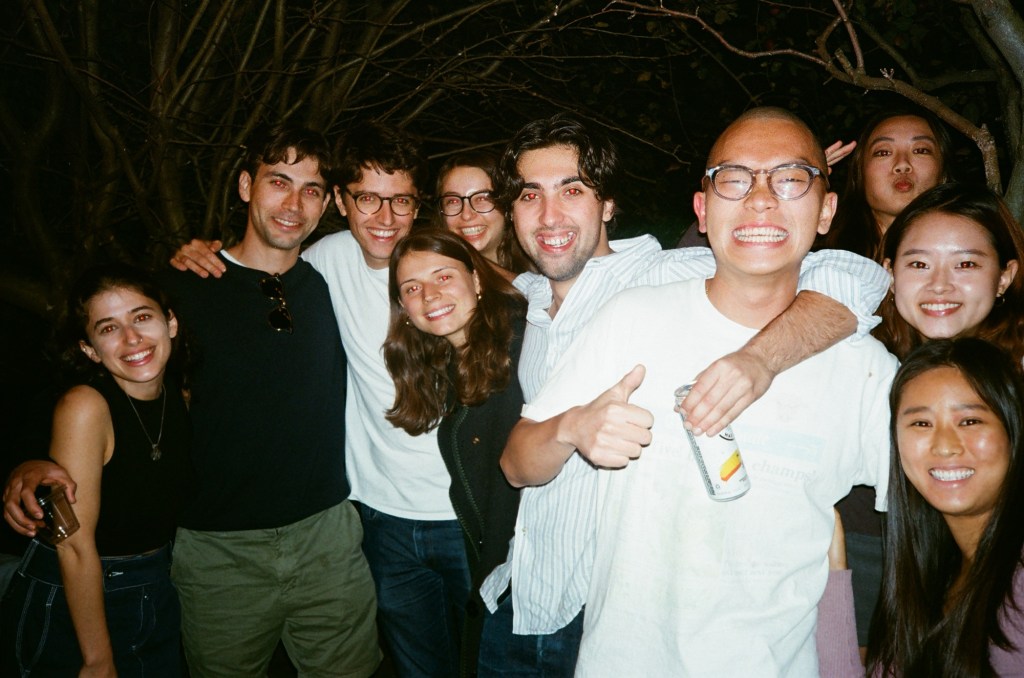
So I kept going. I hosted more potlucks where people brought dishes from their countries: Singaporean chicken rice, Thai curry, Brazilian pão de queijo. Each dinner became its own mosaic of culture, conversation, and care.
And through all of this, I realized: maybe this is my kind of leadership. Not loud or attention-seeking. But intentional, inclusive, and rooted in the desire to serve. Just like Lee Kuan Yew, in his own way, created a space for people to thrive, maybe I’m doing the same, on a smaller scale, one dinner at a time.

 Unraveling Layers of Being
Leave a comment